📽️ [Video] How to Become a Journal Editor?
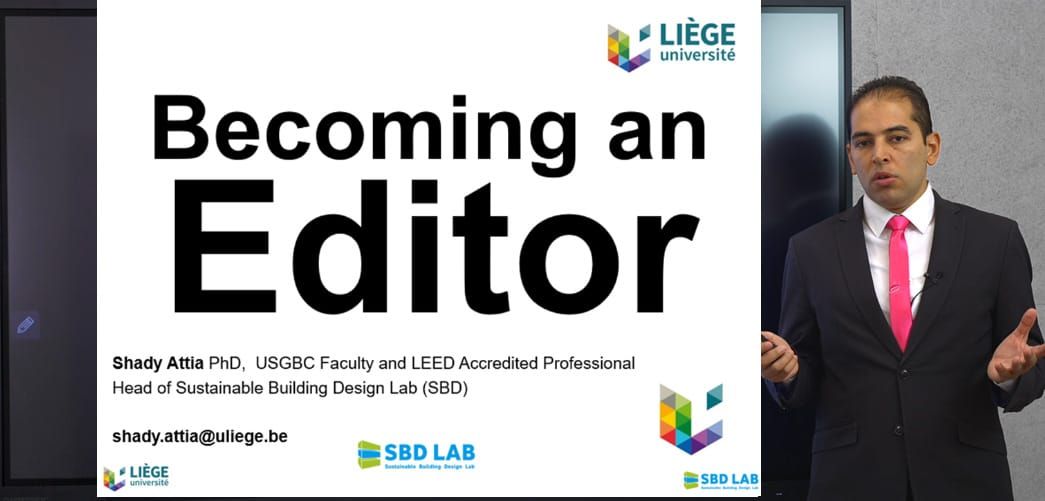
📽️ [Video] How to Become a Journal Editor?
You publish papers. You review manuscripts. But how do you become the person who decides what gets published?
Becoming a journal editor is an important step in an academic career, but it is not simply a reward for publishing extensively or achieving seniority.
Editorship is earned through scientific judgment, reliability, integrity, and the trust of the research community.
In this video, I explain how researchers can move from peer reviewing to editorial responsibilities, what journals look for, and how early-career academics can prepare for these roles.
1. Your reputation starts with peer review
Editors remember reviewers who deliver rigorous, constructive, and timely assessments. Identifying fundamental methodological weaknesses, evaluating evidence, and providing justified recommendations are essential editorial skills.
A good reviewer evaluates a manuscript. A good editor takes responsibility for the scientific decision.
2. There is no single pathway to editorship
Publishing in relevant journals, building expertise, responding to editorial board calls, proposing special issues, and participating in early-career editorial initiatives can all create opportunities.
You do not necessarily need to be a professor. Scientific competence and professional reliability matter more than academic rank.
3. Editorial judgment is more important than publication metrics
An editor must distinguish scientific novelty from superficial claims, methodological rigor from sophisticated presentation, and constructive criticism from personal opinion. When reviewers disagree, an editor cannot simply count votes. The decision must be grounded in evidence.
Editorial independence means making scientifically justified decisions, even when they are difficult or unpopular.
4. An editorial position is a commitment, not a decoration
Editorial board membership requires time, accountability, ethical judgment, and service to the research community. Many positions are unpaid, and responsibilities vary considerably between journals. Before accepting an invitation, ask yourself: Can I genuinely improve the quality of the research this journal publishes?
5. Start before you receive the title
For PhD students, postdoctoral researchers, and early-career academics, the most effective preparation is straightforward: review carefully, meet deadlines, develop methodological expertise, understand publication ethics, and engage with journals in your field.
Do not pursue editorship merely to strengthen your CV. Build the expertise and judgment that make you worth appointing.
Ultimately, good editors do more than manage manuscripts. They protect scientific standards, support responsible publishing, and help shape the direction of their disciplines.
A question for editors: What mattered most in your first appointment: your publication record, your reviewing experience, your scientific network, or something else?
A question for researchers: What is stopping you from taking your first step toward editorship?
📚 Playlist: Reviewers & Editors: Roles and Responsibilities
🎥 Watch the video: https://www.youtube.com/watch?v=M9SMZ262klE&t=1s
📚 Research: https://www.sbd.uliege.be/
💻 Newsletter: https://www.shadyattia.org/#/portal/signup
🎬 YouTube: https://www.youtube.com/@Shady_Attia
🌐 More resources: https://www.shadyattia.org
#AcademicPublishing #JournalEditors #PeerReview #EditorialLeadership #ResearchIntegrity #EarlyCareerResearchers #PhDLife #PublicationEthics #ScientificPublishing